

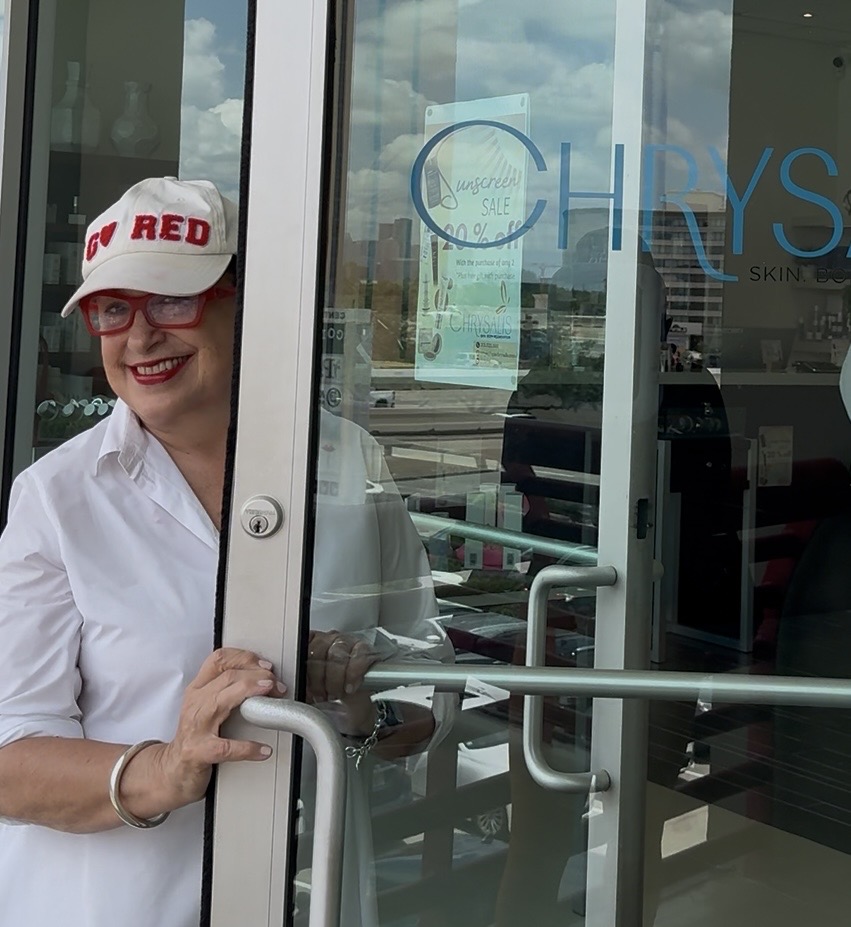
When I first began my treatments at Chrysalis, I thought I knew what I was signing up for: a facial taken up a notch, maybe a little lymphatic system reset through massage and relaxation, and some much needed time to myself.
What I did not expect was to learn an entirely new vocabulary… fascia? Myofascial sculpting? Lymphatic drainage? Suddenly I found myself asking questions I never knew I needed to ask…and discovering just how much more there is to beauty and wellness than simply applying a great skincare product.
INSIDE CHRYSALIS…
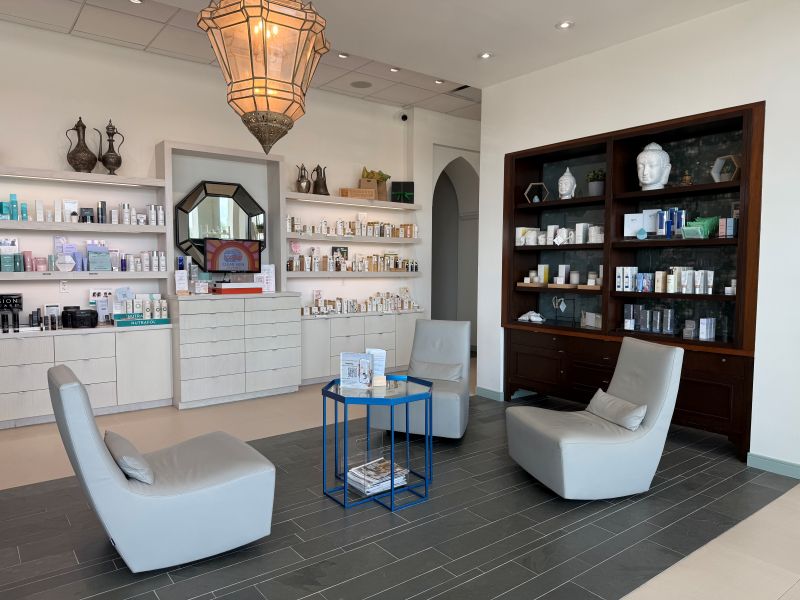
If you haven’t heard of Chrysalis, let me introduce you. Tucked away on the Southwest Freeway just inside the 610 Loop, this skin and body rejuvenation center offers everything from facials and advanced skincare treatments to massage and body treatments. The idea is to look at the whole picture rather than simply what’s going on with your skin, with treatments taking into account everything from your muscles and fascia to circulation and overall wellness.
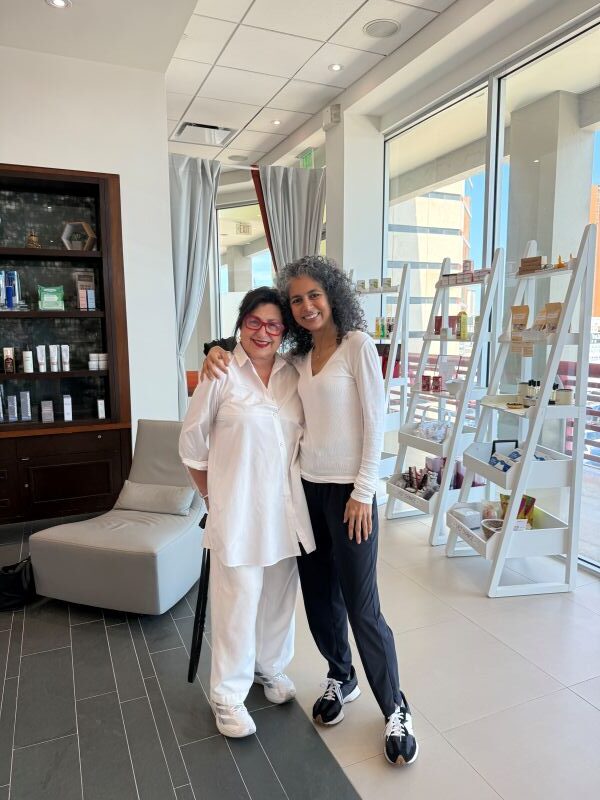
Of course, behind every special place is usually someone with a vision…and at Chrysalis, that person is Sabina, the owner and Skin Care Specialist who created the business back in 2000.
From the beginning, Sabina’s goal was to offer something personal…individualized, results-oriented skincare and a level of service that makes each client feel that their experience is truly their own. After spending some time learning more about Chrysalis, I can definitely see that philosophy carried throughout the experience.
I also love the story behind the name. Sabina chose Chrysalis because it is the wondrous vehicle of nature from which a butterfly emerges. Her hope was that the experience of visiting Chrysalis would be indicative of that same kind of transformation…a place where you come in, take some time for yourself, and leave feeling renewed.
And I think the name says quite a bit about her approach. Chrysalis isn’t simply about a facial or a skincare treatment…it’s about the whole experience and helping each person feel their very best. More than 25 years after opening its doors, that original vision remains at the heart of what Sabina has created.
LET’S GET INTO IT…
Now back to the treatment…I have to admit, there were a few moments during my treatment when I thought “Wait…are we really doing that?” Yes, we were. At one point, Alison, my Skin Care Specialist, was actually moving forward and massaging the inside my mouth! And of course, the first thing I did when I got home was tell my family about it. Because honestly…how many people can say they have had their face sculpted from the inside out?
But that is exactly what made this experience so fascinating. The more I learned, the more I realized this wasn’t just another beauty trend. It was about understanding how our bodies work, how we hold tension, and how everything from our jaw to our neck to our circulation plays a role in how we look and feel.
As someone who is always curious about the latest in beauty and wellness, I had plenty of questions. What exactly is fascia? Why is everyone talking about lymphatic drainage? Can facial massage really make a difference when it comes to aging?
So I sat down with Alison Zollar from Chrysalis to get the answers…and, as always, walked away learning so much more than I expected.
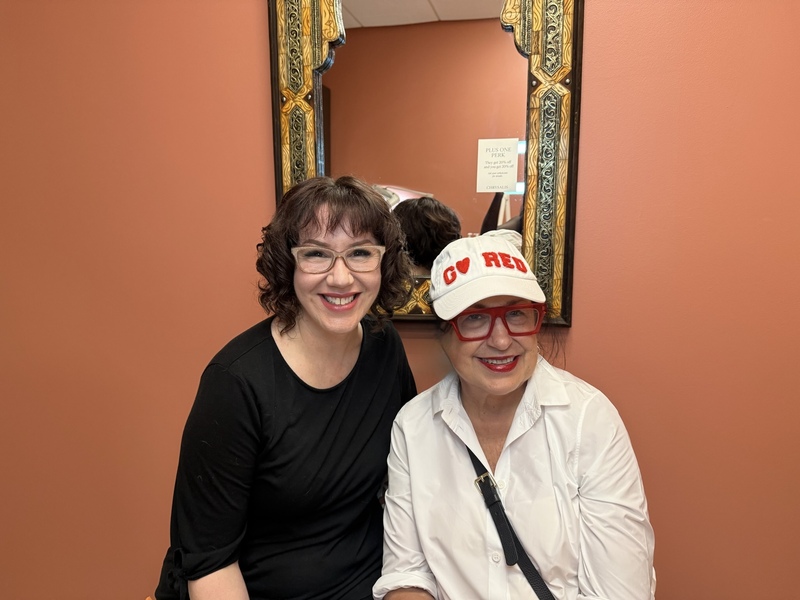
RP: First of all, I have to ask because I think this is where people get confused. What exactly is this treatment? Is it a facial? Is it a massage? Is it facial sculpting? What do we call it?
AZ: The easiest way to describe it is that it is myofascial release of the face.
RP: Myofascial. Not facial?
AZ: Exactly. We’re talking about fascia.
RP: And I think that’s important because people hear these words, but they may not know what they actually mean.
AZ: Absolutely. Most people are familiar with myofascial release because they’ve experienced it with deep tissue massage on their body. But doing this type of work on the face is still a newer concept for many people. Fascia is connective tissue. It surrounds and supports our muscles and tissues throughout the body. When we work with the face, we are working with that tissue to help release tension, improve circulation, and support movement.
RP: One of the things I really appreciated was that you explained there are different levels to this. Because I know some people hear “deep work” and immediately think, “Oh, that sounds painful.”
AZ: Exactly. We actually offer different options depending on what someone needs. We have a custom contouring facial that incorporates many of the same sculpting techniques but is designed more for someone who is sensitive or doesn’t want deeper fascial work. With you, we knew you were interested in creating more change, so we incorporated the precision sculpting techniques.
RP: And I will say, this was not what I expected when I walked in. When most people hear “facial,” they think of skincare(caring for the skin, not products) — cleansing, masks, maybe a little massage. This was much more involved.
AZ: Yes, because we’re addressing more than just the surface of the skin. One of the reasons we incorporate different techniques is because everything is connected. We’re looking at the muscles, the fascia, circulation, and lymphatic flow.
A LITTLE DRAINAGE GOES A LONG WAY
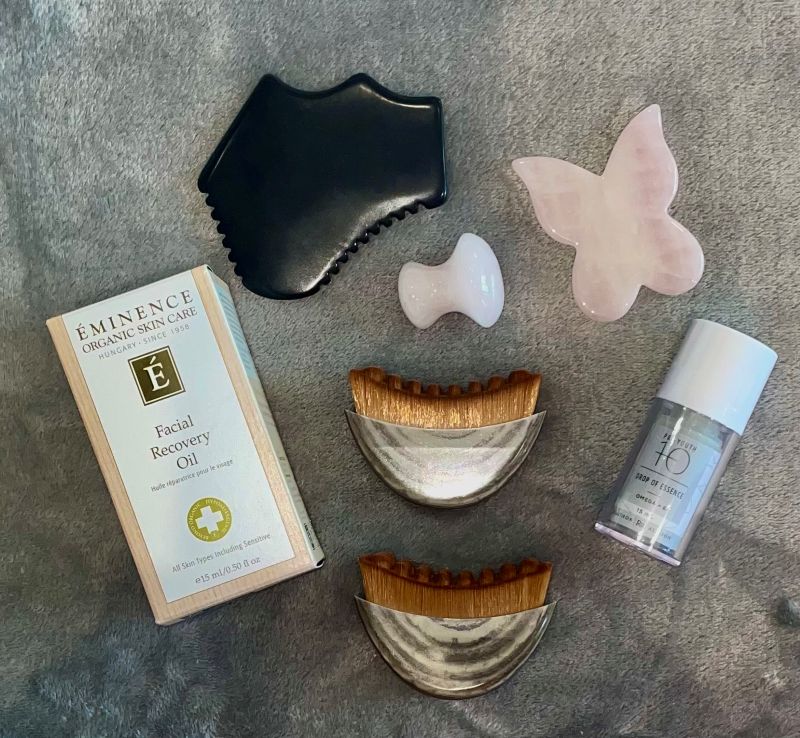
RP: Let’s talk about lymphatic drainage because that’s another phrase everyone is hearing right now. It seems like everywhere you look, someone is talking about lymphatic massage or how they have purchased and are using a gua sha.
AZ: Lymphatic drainage is definitely having a moment. And like most trends, there is a lot of good information mixed with some misinformation. The positive thing is that people are becoming more aware of self-care and taking time to care for themselves. With lymphatic drainage, technique matters. A lot of people are using too much pressure or using tools incorrectly. It’s meant to be a very gentle process. After we do deeper sculpting work, we finish with manual lymphatic drainage because we want to help move fluid and calm the tissue.
RP: So it’s almost the opposite of the deeper work?
AZ: Exactly. The sculpting work is deeper because we’re accessing the muscles and fascia. Lymphatic drainage is very light and superficial because we’re working with the lymph fluid closer to the surface.
RP: Can people do that at home?
AZ: Absolutely. I encourage people to learn how to do some of these techniques themselves between visits. A lot of people wake up with fluid around their eyes or puffiness, and having a tool such as a gua sha and a technique you know how to use can be very helpful.
RP: That’s one thing I’ve really enjoyed about this whole experience. It hasn’t just been, “Come in, have a treatment, and leave.” It’s been educational.
AZ: That’s one of my favorite parts of what I do. I love sharing information. When I’m working with someone, I’m always asking questions. Are you extra sore in this area? Do you chew on one side? Do you sleep on one side? All of those things contribute to where we hold tension.
RP: That was actually something that really surprised me. You can almost read the face and figure out someone’s habits.
AZ: Exactly. For example, if I notice someone has more development on one side of their jaw, I’ll ask if they chew mostly on that side. Sometimes people have been doing something for years without realizing it. We had someone who had a dental issue years ago and started chewing only on one side. Over time, that habit affected the development of those muscles.
RP: I have to admit, I definitely have a side I naturally go to.
AZ: Most people do. The goal is simply becoming aware of those patterns and trying to create more balance.
YOUR NECK NEEDS LOVE TOO
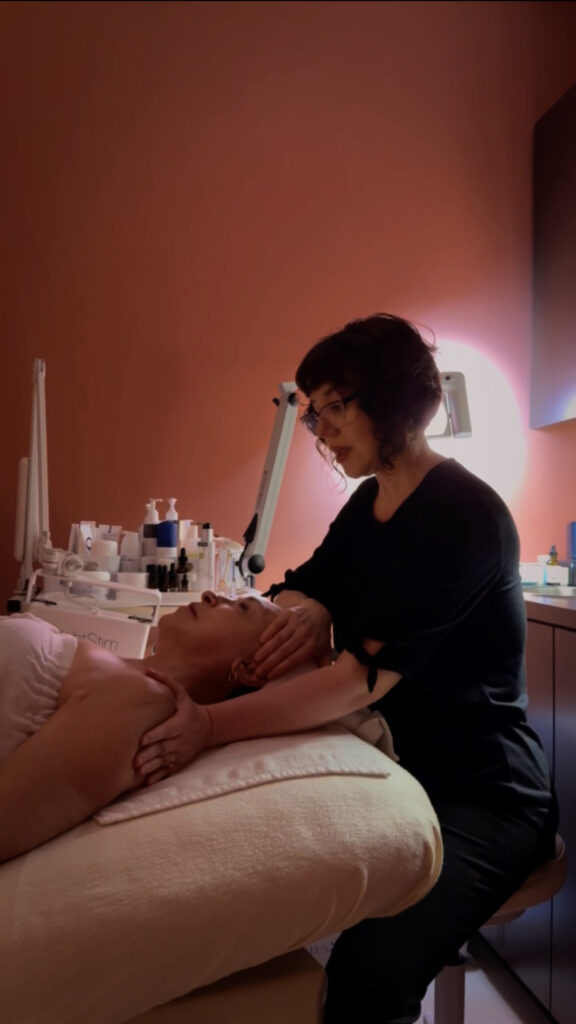
RP: One thing that really fascinated me was the connection between the face and the neck. We always think about neck tension as being related to our shoulders, but there is so much more happening.
AZ: Absolutely. The neck, jaw, and face are incredibly connected. The platysma muscle is a large sheet-like muscle in the neck. It’s actually one of the muscles addressed during a facelift because of how much it contributes to neck aging. People often think of aging as just being about the skin, but there are many layers involved.
RP: I had no idea. I always imagined that during a facelift they were just pulling individual muscles.
AZ: There are individual muscles underneath, but the platysma is different because it’s more like a sheet that drapes over the neck.
RP: So when we talk about myofascial work, it really is about understanding all of these connections.
AZ: Exactly.
LET’S TALK FASCIA…..

RP: Let’s go back to fascia because I think that’s a word people are hearing more and more. Can you explain what fascia actually is?
AZ: Fascia is a type of connective tissue. It wraps every individual muscle and also surrounds groups of muscles that work together. It’s also what creates structures like tendons and ligaments. When you look at anatomical images and see the white tissue around joints, that’s fascia.
RP: It’s interesting because people associate fascia with the body, but now we’re talking about it with the face.
AZ: Yes, and that’s why this type of work is becoming so interesting. The same principles that apply to the body can also apply to the face.
RP: And how does all of this connect to aging?
AZ: More than most people realize. We don’t always think about circulation because it’s something our bodies naturally do, but massage has existed for centuries because of how beneficial it is. When you improve blood flow and lymphatic flow, you help the skin function better. You’re supporting healthy cell turnover, collagen production, and elasticity. Ultimately, you’re helping everything work better.
RP: I love that because it changes the way we think about beauty. It’s not just about putting something on your skin.
AZ: Exactly. Wellness is becoming a much bigger part of beauty because people want to understand their bodies, not just cover things up.
RP: That’s probably why people are so interested in these treatments right now. There’s so much information out there, though, that it can also get overwhelming.
AZ: It definitely can. That’s why education is so important. There are so many products, ingredients, and trends that it can be difficult for people to know what actually matters.
WHAT’S ON THE SHELF?
RP: Speaking of trends, let’s talk skincare for a minute because everyone has questions about products. Peptides, collagen, exosomes — there are so many things people are hearing about.
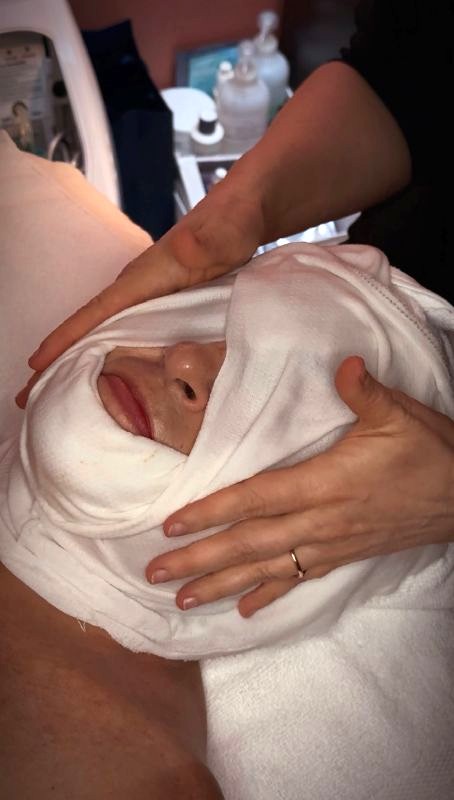
AZ: Those ingredients are definitely popular right now. But I always remind people that quality matters. You don’t necessarily have to buy the most expensive product, but you also don’t want to choose something simply because it’s inexpensive. Sometimes better ingredients cost more because they are more expensive to source and formulate.
RP: That’s such a good point because I think people assume expensive automatically means better.
AZ: And that’s not always true either. It’s about finding what works for you. For example, you don’t necessarily need every product from one skincare line. You can mix and match. Maybe you love your cleanser from one brand, your moisturizer from another, and your retinol from somewhere else. The important thing is understanding how the products work together.
RP: I think that’s where having someone knowledgeable really helps because there is so much information out there.
AZ: Exactly. It’s about customization. Everyone’s skin is different, and everyone’s needs are different.
GET TO KNOW ALISON…
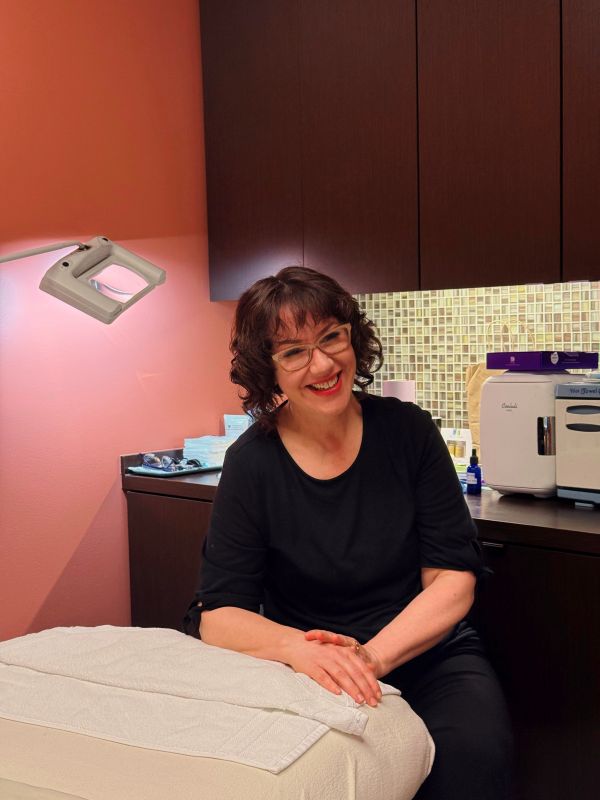
RP: Before we wrap up, tell us a little about your background because you have such an interesting perspective.
AZ: I’ve been a licensed esthetician since 1985. I started in retail skincare and makeup, including working at Saks Fifth Avenue. Eventually, I became frustrated with the sales-driven side of the industry and wanted to focus more on treatments that actually created change. That led me into working alongside a plastic surgeon, where I gained experience with clinical skincare treatments and laser technology. I still love the relaxing, nurturing side of facials, but I also love being able to make visible changes and understand the science behind what we’re doing.
RP: I think that’s the biggest takeaway for me. This wasn’t just about a beauty treatment. It was about learning more about my own body and understanding how everything connects.
AZ: Exactly. The best treatments are the ones that leave people with knowledge they can continue using long after they leave.
RP: And that might be the biggest beauty lesson of all — consistency, awareness, and understanding what your body needs.
ALISON’S TAKE HOME TIPS…..
Before leaving, I asked Alison if she would please share a few of her favorite skincare tips with all of you. So whether you’re just beginning your skincare journey or simply looking for a few helpful reminders, here are ten of her best pieces of advice…
Alison’s Top 10 Skin Tips
1. Hydrate…but don’t stop at water!
Most of us know our skin needs hydration to glow, but water alone isn’t enough. Minerals are the missing link! Add a quality mineral supplement or electrolyte product to your routine. (Please…not a high-sugar sports drink!)
2. Feed your skin from the inside out.
A whole-food diet, quality sleep, and stress management are just as important to healthy skin as the products you put on it.
3. Cleanse twice a day…yes, really!
Never sleep in your makeup, but don’t skip your morning cleanse either. It washes away leftover product, oil, and overnight buildup so your skincare can do its job.
4. Love the sun…from a distance.
Yes, we need Vitamin D, but your face doesn’t have to be the source. Protect the areas where you want to prevent aging…and wear your sunscreen!
5. Choose your sunscreen wisely.
For everyday wear, zinc and titanium formulas are the safest and most effective choices. They’re worth looking for!
6. Skip the scrub…think long-term glow.
A scrub gives instant gratification, but AHAs and retinol deliver the healthy, lasting radiance we’re really after.
7. Give retinol another chance!
If it was too harsh in the past, don’t give up. Today’s formulas are gentler, and with regular use they help create healthier, stronger, more resilient skin.
8. Healthy skin first…lasers later.
Advanced treatments can do amazing things, but they work best when your skin is healthy to begin with. Build a strong foundation first.
9. Wake up your circulation.
Deep fascial massage gets your blood and lymph moving, helping reduce puffiness, brighten dull skin, and bring life back to your complexion.
10. Consistency wins every time!
Like most anti-aging treatments, the magic is in the repetition. Regular treatments, along with a few simple techniques at home, will give you your best results.
IN CONCLUSION…
So, there you have it! Hopefully Alison answered some of your questions and gave you plenty of good advice to take with you. And with summer winding down and fall fast approaching, now is a great time to give your skin a little extra attention after all that sun, heat and time outdoors.
Mine? Find an experienced esthetician you trust, ask questions, and don’t be afraid to have a consultation before jumping into a treatment. If you’re interested in learning more about Chrysalis, their website (Chrysalis.com, click here!) is a great place to start; and you can also watch our treatment recap here (Click here for video!) to see some of my treatment for yourself. Then? Relax, enjoy and let the experts do their thing. After all, sometimes putting your best face forward means letting someone else get their hands on it!
Beauty and wellness go hand in hand, and 2026 is certainly proving that.
Enjoy,
Roz ❤️
This is a great article. Really enjoyed learning all this info. And do love and respect Sabina! Kudos to you both. !
Deborah Kaplan